Can an Employee Time Tracker Help Teams Work Smarter, Not Just Longer?
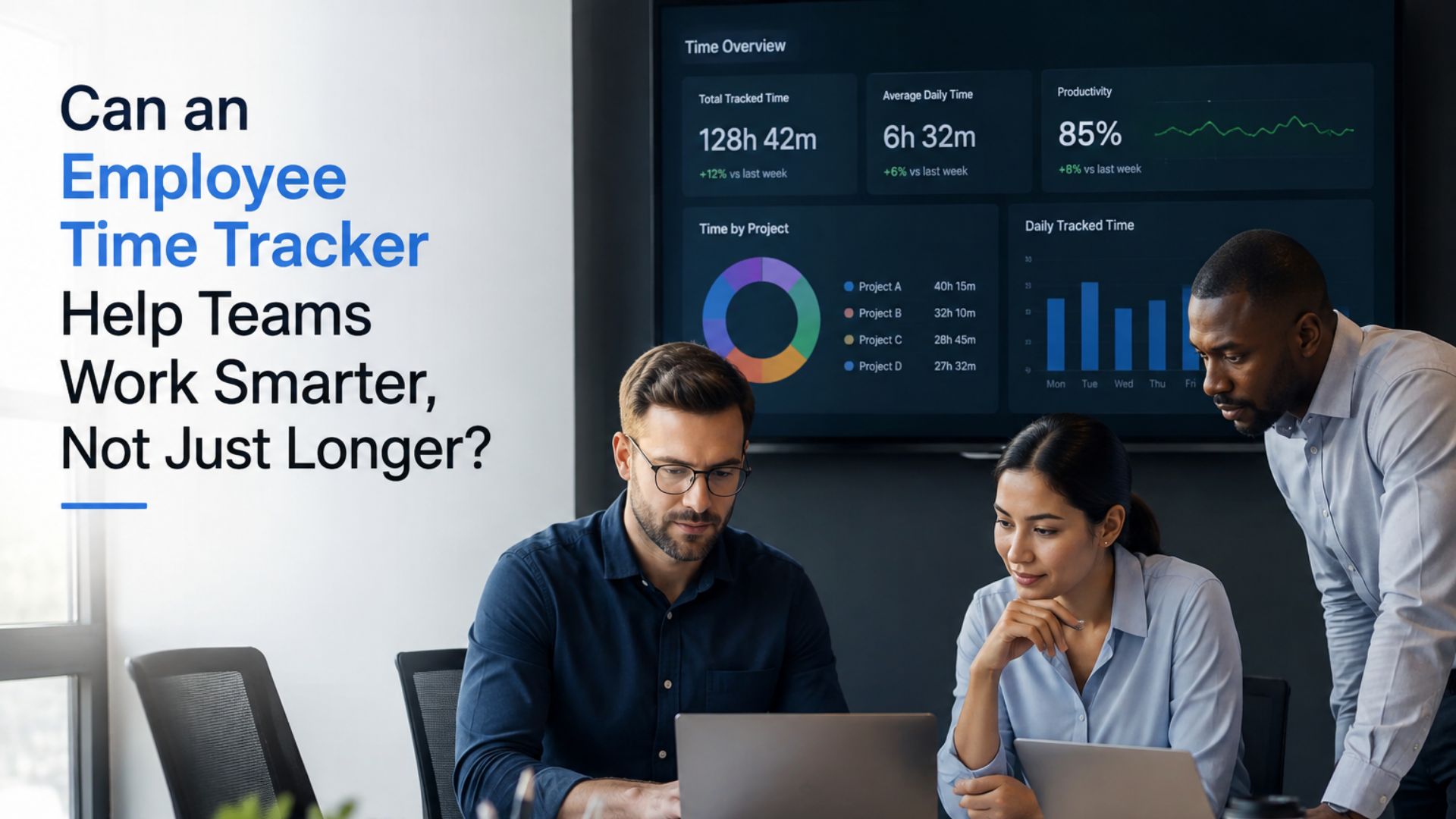
Is your team genuinely productive, or simply spending more hours at work? That distinction matters because longer working hours do not automatically translate into better outcomes. A time tracking system can provide useful visibility into where working time goes, but its real value depends on how organizations interpret and use that information. From my experience with workforce management practices, the strongest approach is not to watch every minute or turn time data into pressure.Instead, managers should use an Employee Time Tracker to identify workflow problems, balance workloads, understand project effort, and make better operational decisions. Used responsibly, time tracking becomes a productivity aid rather than another layer of workplace surveillance.
What Does Time Tracking Actually Measure?
Time tracking records how employees spend their working hours across tasks, projects, clients, applications, or activities. At its simplest, it answers a practical question: Where is working time going?However, time data should never be confused with productivity itself. An employee may spend six focused hours completing valuable work while another spends eight hours dealing with unnecessary meetings, repetitive processes, or avoidable interruptions.The difference is important. Good workforce management examines time alongside outcomes, quality, deadlines, workload, and business priorities.For example, a marketing employee spending several hours preparing a campaign may appear less efficient than someone completing smaller tasks quickly. Once the actual project requirements are considered, the time investment may be entirely reasonable.
How Can Time Tracking Help Teams Work Smarter?
The strongest benefit is visibility. Managers often make decisions based on assumptions because they cannot see where operational time is being consumed. Time data can reveal recurring patterns such as excessive meetings, uneven workloads, lengthy administrative tasks, or projects consistently taking longer than estimated. When integrated into a performance tracking system, these insights can help managers identify inefficiencies and make more informed decisions.That insight can lead to practical changes. A manager might reduce unnecessary meetings, redistribute assignments, simplify a workflow, or revise project estimates.Employees can also benefit. When people understand how they spend their working hours, they can identify interruptions and recurring activities that reduce concentration.This creates a more constructive cycle: measure, understand, improve, and review.
Where Should Managers Be Careful?
The biggest mistake is treating tracked hours as a direct measure of employee value. A rigid focus on hours can encourage presenteeism, where employees feel pressure to remain active simply to appear productive. It can also damage trust if monitoring feels excessive or unexplained.
Set Clear Data Expectations
A better approach is to establish clear expectations before collecting data. Employees should know what information is being collected, why it matters, who can access it, and how it will influence decisions. Privacy and proportionality should also remain central. Organizations should collect information that serves a legitimate business purpose rather than gathering every possible data point simply because technology makes it available.
What Is the Cost?
The financial cost depends on the software, number of users, features, billing model, and contract structure. Some solutions charge per employee each month, while others offer different plans based on functionality.But subscription price is only one part of the calculation.Implementation time, employee training, administration, integration, and policy development can also affect the overall cost. A cheaper platform that produces confusing reports or requires significant manual work may ultimately cost more than a solution that fits existing workflows.Before purchasing, businesses should compare total operational value rather than focusing exclusively on the monthly price.You can also watch: EmpMonitor|Leading Employee Engagement and Workforce Productivity Tool
Conclusion
An Employee Time Tracker can help teams work smarter when it is used to understand workflows rather than simply count hours. The real advantage comes from turning time information into better decisions about workloads, processes, priorities, and resources. Organizations that combine transparent policies, sensible measurement, and outcome-focused management can gain useful visibility without creating unnecessary pressure. If your current approach relies on assumptions or manual records, now is a good time to evaluate how better time visibility could change things. Start by identifying the problems you want to solve, then choose a tracking approach that supports those goals.
FAQs
What is an Employee Time Tracker used for?It records working time across tasks, projects, or activities to help organizations understand how time is being allocated. Businesses can use the information for project planning, workload management, reporting, billing, and workflow improvement. Its usefulness depends on combining time data with meaningful performance and business outcomes.How much does employee time tracking software cost?Pricing varies by provider, number of users, features, integrations, and billing model. Some platforms charge monthly per user, while others offer tiered plans. Businesses should compare total costs, including setup and administration, rather than choosing a solution based solely on its advertised subscription price.What is the best way to avoid mistakes with time tracking?Start with a clear purpose and explain the system to employees transparently. Avoid treating hours as a complete measure of productivity, collecting unnecessary information, or making decisions from isolated data. Review time patterns alongside workload, quality, deadlines, and results to create a more balanced assessment.